
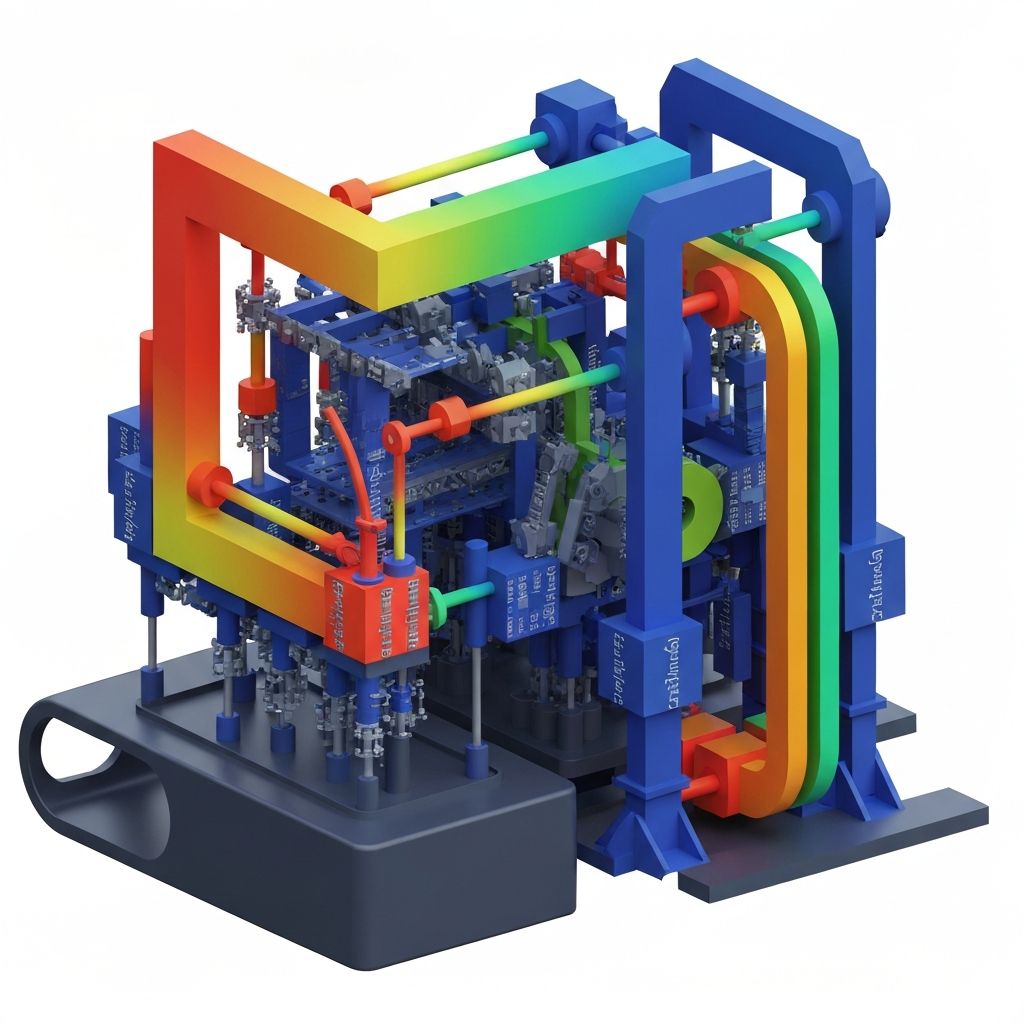
Explore how reversible computing architectures promise to revolutionize data processing with minimal energy consumption and environmental impact.
Computing's Energy Crisis
Data centers consume approximately 1% of global electricity. As computational demands grow, this figure threatens to explode. Reversible computing offers a fundamental solution by operating without generating heat waste.
How Reversible Computing Works
Unlike traditional computing, which requires energy dissipation at each step, reversible computing performs operations that theoretically can be reversed—like rewinding a movie. This eliminates the thermodynamic losses that plague conventional systems.
Real-World Implementation
Companies are now building prototype reversible processors. Early results show 70% energy reduction compared to traditional architectures with equivalent computational power.
The Path Forward
While still in early stages, reversible computing represents the future of sustainable computing infrastructure. Organizations investing now will lead the next generation of green computing.
Sustainability Implications
Beyond energy efficiency, reversible computing has profound environmental implications. As enterprises scale their AI and data processing operations, transitioning to reversible architectures could reduce global energy consumption by trillions of kilowatt-hours annually.
Business Case for Adoption
The business case for reversible computing is compelling. Lower energy costs translate directly to improved margins and reduced carbon footprint. Companies can market their operations as environmentally responsible while gaining competitive advantages.